
How Whole House Generators Work
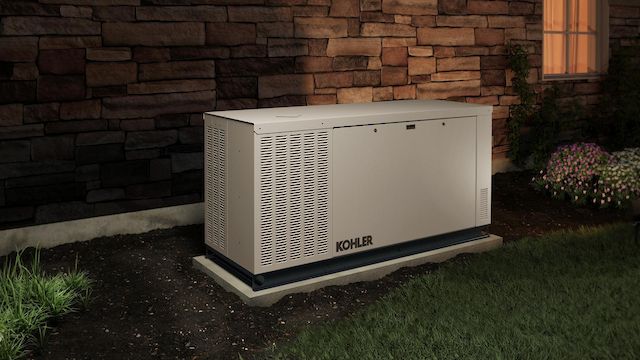
A whole house generator is a standby backup power system that can turn on automatically when utility power goes out. Instead of relying on extension cords or a portable generator, a standby generator is permanently installed outside the home and connected to the electrical system through a transfer switch.
CRG Electric helps homeowners, businesses, property managers, and facility teams understand how standby generators work, what they can power, and what should be reviewed before installation.
Quick Answer
A whole house generator works by monitoring utility power. When the power goes out, the standby generator starts automatically. The transfer switch disconnects the home from utility power and connects selected electrical loads, or the whole electrical panel depending on the system design, to generator power. When utility power returns, the transfer switch moves the home back to utility power and the generator shuts down after its cool down process.
What Is a Whole House Generator?
A whole house generator, also called a standby generator, is a backup power system installed outside the home or building. It is connected to a fuel source, connected to the electrical system, and controlled by a transfer switch.
Unlike a portable generator, a standby generator is not rolled out during an outage. It is installed in a fixed location and is designed to respond automatically when utility power is interrupted.
The generator does not replace the utility company. It acts as a backup source of power when the normal power source is unavailable.
What Happens When the Power Goes Out?
The easiest way to understand a whole house generator is to follow the outage sequence.
Utility power is interrupted
The transfer switch or generator control system senses the power loss. The system needs to confirm that normal utility power is no longer available.
The generator starts
The standby generator engine starts automatically and begins producing backup power.
The transfer switch changes power source
The transfer switch disconnects the home from utility power and connects the approved loads to generator power. This prevents the home from being connected to utility and generator power at the same time.
The generator powers the selected loads
The generator supplies power to the circuits or panel configuration the system was designed to support. What runs during an outage depends on generator size and system design.
Utility power returns
The system senses that normal power is available again, and the home can return to utility power.
The transfer switch moves back to utility power
The home is reconnected to utility power, which becomes the normal source again.
The generator cools down and shuts off
The generator runs briefly, then shuts down and waits for the next outage. This helps the system return to standby mode properly.
What Does the Transfer Switch Do?
The transfer switch is the device that safely changes the electrical source from utility power to generator power.
When utility power is working, the transfer switch keeps the home connected to the utility. When utility power fails, the transfer switch allows the generator to supply backup power to the approved electrical loads. When utility power comes back, the switch transfers the home back to utility power.
This matters for safety and performance. The transfer switch helps prevent backfeeding, which can create dangerous conditions for utility workers, equipment, and the electrical system.
For most homeowners, the transfer switch is the part that makes the generator feel automatic. You do not have to run extension cords or manually move appliances. The system is planned, wired, and connected so backup power can begin safely when the generator starts.
What Can a Whole House Generator Power?
A whole house generator can power different parts of the home depending on the generator size, transfer switch setup, electrical panel, and load management plan.
Some systems are designed to power essential circuits. Others are designed to support most or all of the home. The right setup depends on what needs to keep running during an outage.
Common backup power priorities may include:
- Refrigerator and freezer
- Furnace or heating system
- Sump pump
- Well pump
- Lights
- Outlets
- Internet equipment
- Medical equipment
- Security systems
- Garage door opener
- Select kitchen circuits
- Air conditioning, when the generator and electrical setup can support it
A generator does not automatically mean every appliance can run at the same time. Larger electrical loads, such as central air conditioning, electric ranges, electric dryers, well pumps, shop equipment, or EV chargers, may need special review.
For deeper planning, review Whole House Generator Sizing Basics.
Essential Circuits Versus Whole House Backup
Generator planning usually starts with a simple question: What do you need to keep running during an outage?
Some properties only need essential circuits. That might include heat, refrigeration, a sump pump, a few lights, and key outlets.
Other properties need broader coverage. A homeowner may want the generator to support comfort, security, appliances, and daily routines. A business or facility may need backup power for equipment, operations, communications, or safety systems.
The answer affects generator size, transfer switch setup, panel configuration, fuel demand, installation planning, and cost.
Fuel, Safety, and Maintenance Basics
Most permanently installed standby generators use natural gas or propane. The fuel source affects placement, installation planning, and long-term operation.
A generator also needs safe outdoor placement. Generator engines produce exhaust, and carbon monoxide can be dangerous. A standby generator should be installed outside in an approved location with proper clearance from doors, windows, vents, and other openings.
Maintenance also matters. A standby generator can sit unused for long periods, but it still needs routine service so it is ready when the power goes out. Oil, filters, battery condition, wiring, controls, and general system condition can affect reliability.
For deeper maintenance planning, review How Often Should a Generator Be Serviced?.
Why Generator Planning Should Include the Whole Property
A generator is not just a box installed outside. It has to work with the property’s electrical system, fuel source, panel, transfer switch, service access, and backup power goals.
This is why generator planning should happen before equipment decisions are finalized. The right generator depends on the property, not just the size of the house or building.
Before choosing or installing a standby generator, CRG Electric may need to understand:
- What the property needs to power during an outage
- Whether the system is for a home, business, farm, facility, or managed property
- Existing electrical panel and service conditions
- Whether the property has large electrical loads
- Fuel source availability
- Generator placement options
- Transfer switch needs
- Service access
- Whether the property also has EV charging, solar, battery backup, or future electrical plans
How CRG Electric Helps With Standby Generator Planning
CRG Electric provides generator installation, generator maintenance, load bank testing, and electrical support for backup power systems across Southeast Michigan.
| Generator Need | What CRG Electric Can Help Evaluate | Where to Go Next |
|---|---|---|
| Planning a new standby generator | Generator installation needs, transfer switch and panel considerations, electrical connection requirements, critical loads, and brand options. | Generator Installation |
| Maintaining an existing generator | Maintenance needs, seasonal readiness, battery condition, oil and filter needs, wiring, controls, and long-term backup power support. | Generator Maintenance |
| Testing performance under demand | Load bank testing for systems that need performance review under controlled electrical demand. | Load Bank Testing |
| Comparing generator options | Brand options, including Kohler, Generac, and Briggs & Stratton, along with property fit and installation planning. | Standby Generators |
How Whole House Generators Work FAQs
These answers explain the basic operation of a standby generator and help connect the topic to installation, sizing, maintenance, and backup power planning.
Does a whole house generator turn on automatically?
Yes. A properly installed standby generator system is designed to turn on automatically when utility power is interrupted. The transfer switch and generator controls work together to move the approved electrical loads from utility power to generator power.
What is an automatic transfer switch?
An automatic transfer switch is the device that changes the power source from utility power to generator power during an outage. When utility power returns, it transfers the home or building back to the normal power source.
How long does it take for a generator to turn on?
Startup timing depends on the generator system and settings. In general, a standby generator does not supply power instantly. The system must detect the outage, start the generator, and transfer the load safely.
What happens when utility power comes back?
When utility power returns and the system confirms it is stable, the transfer switch moves the home or building back to utility power. The generator then runs through its cool down process and shuts off.
Can a whole house generator power everything in my home?
Sometimes, but not always. It depends on the generator size, transfer switch setup, panel configuration, and the electrical loads in the home. Large loads such as air conditioning, electric heat, well pumps, or EV chargers may need special review.
What fuel does a whole house generator use?
Most standby generators use natural gas or propane. The available fuel source is one of the factors that affects generator planning and installation.
Is a standby generator different from a portable generator?
Yes. A standby generator is permanently installed outside and connected to the electrical system through a transfer switch. A portable generator is moved into place when needed and has different safety, connection, and operating requirements.
Does a standby generator need maintenance?
Yes. A standby generator needs routine maintenance even if it has not run during an outage. Maintenance helps keep the system ready for backup power when it is needed.
How do I know what size generator I need?
Generator size depends on what the property needs to power during an outage. An electrician can review the electrical loads, panel setup, fuel source, and backup power goals before recommending a system.
Who should install a whole house generator?
A standby generator should be installed by qualified professionals who can handle the electrical connection, transfer switch, placement requirements, startup, and code related installation needs. CRG Electric can help with generator installation and backup power planning.
Talk With CRG Electric About Backup Power
Whether you are just learning how whole house generators work or you are ready to discuss installation, CRG Electric can help you understand the right next step for your property.