
Electrical Panel Upgrades in Southeast Michigan
Your home may need a new electrical panel. Or it may only need a repair, an additional circuit, or a better plan for electrical demand.
CRG Electric provides residential electrical panel upgrades and replacements throughout Washtenaw County, Jackson County, and surrounding Southeast Michigan communities.
Quick Answer: Do You Need an Electrical Panel Upgrade?
An electrical panel may need replacement when it is damaged, deteriorated, unsuitable for continued use, or unable to accommodate required circuits.
Adding electrical equipment does not automatically mean you need a new panel or increased electrical service capacity.
An electrician should evaluate the panel's condition, available circuit space, and electrical demand before determining whether repair, replacement, load management, or a service upgrade is appropriate.
Signs Your Electrical Panel May Need Attention
Some electrical problems involve the panel itself. Others originate in wiring, circuits, connections, or appliances. The warning signs help identify when professional evaluation is needed, but they do not automatically establish that a new panel is the solution.
| Warning Sign | What It May Indicate |
|---|---|
| Repeated breaker trips | Circuit overload, wiring problems, an appliance issue, or breaker trouble. |
| Flickering or dimming lights | Voltage fluctuations, loose connections, or other electrical problems requiring diagnosis. |
| Burning odors or buzzing | Possible overheating, arcing, or damaged electrical components. |
| Corrosion or deterioration | Moisture exposure or compromised equipment. |
| No available breaker spaces | A possible need for approved circuit reconfiguration or panel replacement. |
| Older equipment | A reason to assess panel condition, compatibility, and replacement-part availability. |
Important safety consideration: Burning smells, smoke, arcing, or signs of severe overheating require prompt professional attention. Do not remove panel covers or attempt to inspect energized components.
For an active electrical problem, visit Electrical Repair Services.
You May Not Need a Panel Upgrade to Add More Electrical Equipment
Installing an EV charger, heat pump, electric water heater, or another appliance can increase electrical demand. However, many projects can be completed without automatically replacing the panel or increasing utility service capacity.
Use the Existing System
When equipment is suitable and capacity is adequate, adding an approved circuit or modifying an existing configuration may meet the project's requirements.
Manage Electrical Demand
Appropriate equipment selection, EV charging settings, or approved load-management devices may help some homes accommodate additional electrical loads.
Upgrade When Necessary
Replacement or increased service capacity may be appropriate when equipment condition, circuit needs, or calculated electrical demand require it.
What If Your Home Has 100-Amp Electrical Service?
A 100-amp electrical service does not automatically need to be upgraded to 200 amps. Some homes can support significant electrification with careful equipment choices and approved load management. Others need additional capacity because of existing and planned electrical loads.
The recommendation should follow a proper electrical load evaluation, not an assumption based only on the panel rating or age of the home.
The key distinction: Having limited breaker space is not the same as having insufficient electrical service capacity.
Learn more in Panel Upgrades for EV Chargers .
Panel Repair, Panel Replacement, or Electrical Service Upgrade?
These three services solve different problems. Understanding the difference helps homeowners avoid unnecessary work and compare estimates more effectively.
Electrical Repair
A specific breaker, circuit, or connection problem can sometimes be corrected without replacing the entire electrical panel.
Panel Replacement
Appropriate when the panel is damaged, unsuitable, or unable to support the required circuit configuration. Replacement does not automatically increase utility service capacity.
Electrical Service Upgrade
Increases the power available to the property when the existing electrical service cannot support calculated demand. It may require additional equipment and utility coordination.
A panel may have empty breaker spaces but insufficient capacity for a new load. Another panel may have no empty spaces while the home's existing service still has adequate capacity. The correct solution depends on the equipment and the electrical load calculation.
Pros and Cons of an Electrical Panel Upgrade
Replacing a panel can be valuable when the existing equipment is no longer appropriate. But an unnecessary replacement adds cost and disruption without necessarily increasing the home's available electrical power.
| Potential Benefits | Potential Tradeoffs |
|---|---|
| Replaces damaged or deteriorated equipment | Equipment and installation costs |
| May provide a suitable configuration for required circuits | Temporary power interruption |
| Can support properly planned electrical improvements | Permitting and inspection requirements |
| Allows equipment updates during renovations | Possible related wiring or connection corrections |
| Can help prepare for future changes when capacity is evaluated | Utility coordination and additional cost if a service upgrade is required |
A practical rule: Replace equipment when its condition or requirements justify replacement. Do not assume a larger electrical service is needed simply because the home is adding a new appliance.
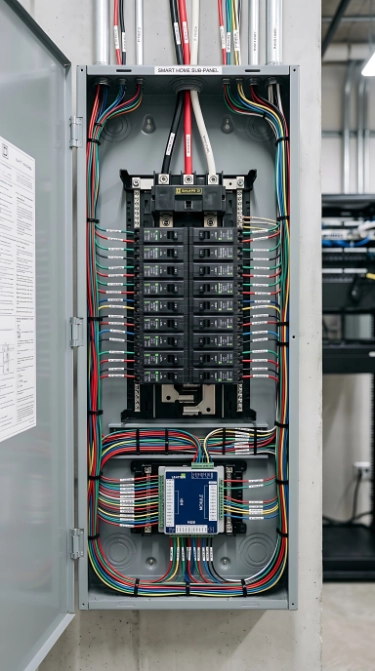
What Should an Electrical Panel Assessment Determine?
Before recommending panel replacement, an electrician should establish the condition of the existing system and the requirements of the proposed work.
- Equipment condition: signs of damage, overheating, corrosion, or deterioration.
- Panel compatibility: whether appropriate breakers and components are available and approved.
- Circuit requirements: existing connections and the need for new circuits.
- Breaker space: whether the panel can accommodate approved circuit configurations.
- Electrical demand: existing loads and proposed new equipment.
- Service capacity: whether the available utility service can support the calculated demand.
- Project requirements: permits, inspection, access, and any utility coordination.
These considerations help distinguish between a repair, replacement, and broader service-capacity project.
What Affects the Cost of an Electrical Panel Upgrade?
The cost depends on the equipment, existing installation, and extent of electrical work. Replacing a panel without increasing service capacity can be a different project from upgrading the home's incoming electrical service.
| Cost Factor | Why It Matters |
|---|---|
| Existing equipment | Damage or deterioration can affect the work required beyond installing a new panel. |
| Panel and breakers | Equipment ratings, configurations, and approved components influence materials. |
| Circuits and wiring | Existing connections, corrections, and circuit requirements affect labor. |
| Accessibility | Panel placement, working space, and relocation needs can change scope. |
| Permits and inspections | Applicable requirements affect scheduling and project planning. |
| Utility or service work | Changing service capacity may require additional infrastructure and coordination. |
What Happens During Electrical Panel Replacement?
Evaluation and Planning
Establish the project scope and select suitable electrical equipment.
Permits and Scheduling
Address applicable permits, inspections, equipment availability, and coordination.
Planned Power Shutdown
Arrange the necessary power interruption and appropriate electrical safety procedures.
Panel and Circuit Work
Install approved equipment and reconnect or modify circuits as required.
Testing and Inspection
Verify completed work, address applicable inspections, and restore power using the appropriate procedures.
Will the power be off? Panel replacement generally requires a power interruption. The duration depends on project complexity and any utility or inspection coordination. Discuss essential electrical needs before the scheduled work.
Planning Electrical Changes Around Home Improvements
Electrical panel evaluations often occur during remodeling, EV charger installation, generator planning, or other improvements. Reviewing the existing system early helps avoid unnecessary changes later.
Remodeling and Additions
Kitchens, finished basements, additions, and equipment changes can alter circuit requirements and electrical demand. Planning early helps identify necessary work.
EV Charger Installation
Charging equipment, circuit routing, and load management can affect whether the existing panel and service remain suitable.
Standby Generator Planning
Generator systems require appropriate transfer equipment and backup-load planning, but a new panel is not automatically required.
Electrical Panel Upgrades in Washtenaw and Jackson Counties
CRG Electric provides residential electrical services across Southeast Michigan. Panel recommendations depend on each property's electrical equipment, condition, and planned improvements—not simply its age or location.
Washtenaw County
Homes in Ann Arbor, Ypsilanti, Saline, Dexter, Chelsea, Manchester, Milan, and nearby townships may need panel evaluations during renovations, new appliance installations, EV charger planning, or electrical repairs.
Washtenaw County Electrical ServicesJackson County
Properties in Jackson, Brooklyn, Grass Lake, Michigan Center, Napoleon, Spring Arbor, and surrounding communities may require panel reviews for remodels, workshops, wells, detached buildings, or generator projects.
Jackson County Electrical ServicesElectrical Panel Upgrade FAQs
These answers clarify when panel replacement, service upgrades, and additional circuits may be necessary.
Does a 100-amp home need a 200-amp electrical panel?
Not automatically. Some homes with 100-amp service can accommodate additional equipment through appropriate planning and load management. The electrical demand and equipment condition should be evaluated before increasing capacity.
Can I replace my electrical panel without increasing amperage?
Yes. A damaged or unsuitable panel may need replacement even when existing service capacity is sufficient.
Does a tripping breaker mean my panel is failing?
No. Repeated trips can involve circuit overloads, wiring faults, appliances, breakers, or the panel. Diagnosis should come before recommending replacement.
Can I add circuits without replacing the panel?
Possibly. The panel's approved configurations, available spaces, electrical loads, and condition determine whether new circuits can be accommodated.
Do I need a panel upgrade for an EV charger?
Not always. Charging requirements, existing capacity, circuit availability, and approved load-management options should be reviewed. See Panel Upgrades for EV Chargers .
Do electrical panel upgrades require permits in Michigan?
Panel replacement and related electrical work may require permits and inspections under applicable state and local requirements. The necessary steps depend on the project and local enforcing authority.
Where does CRG Electric provide electrical panel upgrades?
CRG Electric serves customers across Southeast Michigan, including Washtenaw County, Jackson County, Willis, Manchester, Jackson, Ann Arbor, Ypsilanti, Saline, Dexter, Chelsea, Brooklyn, Grass Lake, and nearby communities, subject to service availability.
More Electrical Solutions for Your Home
Electrical panel replacement is one part of maintaining and improving your home's electrical system. Explore related services for electrical repairs, increased service capacity, EV charging, and backup power.